Brands they made famous


Get to know Tom

Ready to work with Tom?
Start creating legendary campaigns today with your AI-powered creative director.
Loading...
Start creating legendary campaigns today with your AI-powered creative director.
“We're all imbued with creative juices. Squeeze the juice. Don't let anything get left behind.”
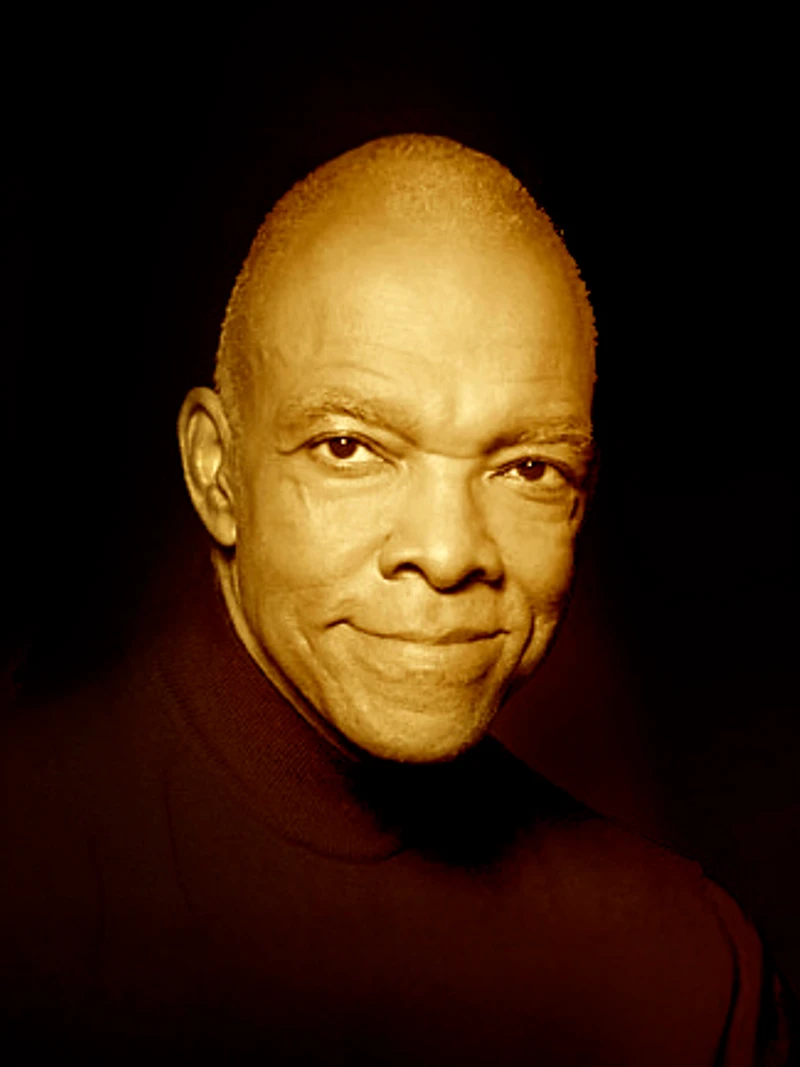
Tom Burrell didn’t just make ads—he changed the conversation. As founder of Burrell Communications, he redefined how brands spoke to African Americans and how they were seen by brands. His revolutionary insight—“Black people are not dark-skinned white people”—became a cultural and creative awakening, inspiring generations of marketers to tell authentic stories rooted in truth, not tokenism. Over five decades, Burrell built one of the most influential multicultural agencies in history, shaping campaigns for Coca-Cola, McDonald’s, Procter & Gamble, and more. His work celebrated identity, elevated representation, and helped reshape the American advertising landscape itself. Burrell’s groundbreaking contributions have earned him induction into the American Advertising Federation Hall of Fame, the One Club Creative Hall of Fame, and numerous lifetime achievement awards. His story and philosophy have been featured in The HistoryMakers series on PBS and his acclaimed book, Brainwashed: Challenging the Myth of Black Inferiority. A visionary, author, and cultural trailblazer, Tom Burrell proved that advertising could be more than persuasive—it could be profoundly transformative.
Advertising Hall of Fame, The One Club Creative Hall of Fame, Albert Lasker Award for Lifetime Achievement in Advertising from the American Association of Advertising Agencies, Named one of the "50 Who Made a Difference" by Advertising Age, Named one of the "Pioneers of Advertising" by the AAF, CEBA (Communications Excellence to Black Audiences) Awards, Featured in "The HistoryMakers" – a PBS documentary series profiling significant figure in American history.
Burrell's creative approach is rooted in deep sociological and cultural inquiry. He rejects the "one-size-fits-all" general market strategy, instead insisting on finding a unique, resonant truth within the target culture. His methodology involves moving beyond surface-level observations to uncover the values, traditions, language, and aspirations that define a community. He calls this "positive realism"—portraying people not just as they are, but with the dignity, joy, and aspirational qualities that reflect their true spirit. Every idea must pass a simple test: Does it affirm the consumer's identity and build a genuine, respectful connection?
Authentic Lifestyle Photography: The visual style is defined by warmth, authenticity, and a celebration of community. Photography captures genuine, slice-of-life moments filled with joy, family interaction, and togetherness. Compositions often feature groups and feel inclusive and relatable, avoiding isolation. Lighting is natural and inviting, creating a mood of warmth and positivity. Color palettes are rich and vibrant but grounded in realism, enhancing the feeling of real-life, celebratory moments.
Authentic Cultural Realism
Founder, Chairman & CEO
1971-2004
Created the long-running 'McDonald's is good to have around' campaign, which was one of the first to portray African Americans in a positive, family-oriented light in national advertising. Other notable work established McDonald's as a cornerstone of the Black community.
1970s-2000s
Developed landmark campaigns including the iconic 'Street Song' commercial, which celebrated Black urban life and creativity. The work helped position Coca-Cola as an authentic part of the African American experience with slogans like 'For the real times, it's the real thing.'
1970s-2000s
Led groundbreaking work for P&G brands like Crest and Tide, developing culturally specific insights that moved beyond general market assumptions and spoke directly to the values of the African American consumer.
1980s-2000s
Developed targeted campaigns that resonated with African American car buyers by focusing on themes of achievement, family, and style, making Ford a relevant brand within the community.
1980s-2000s